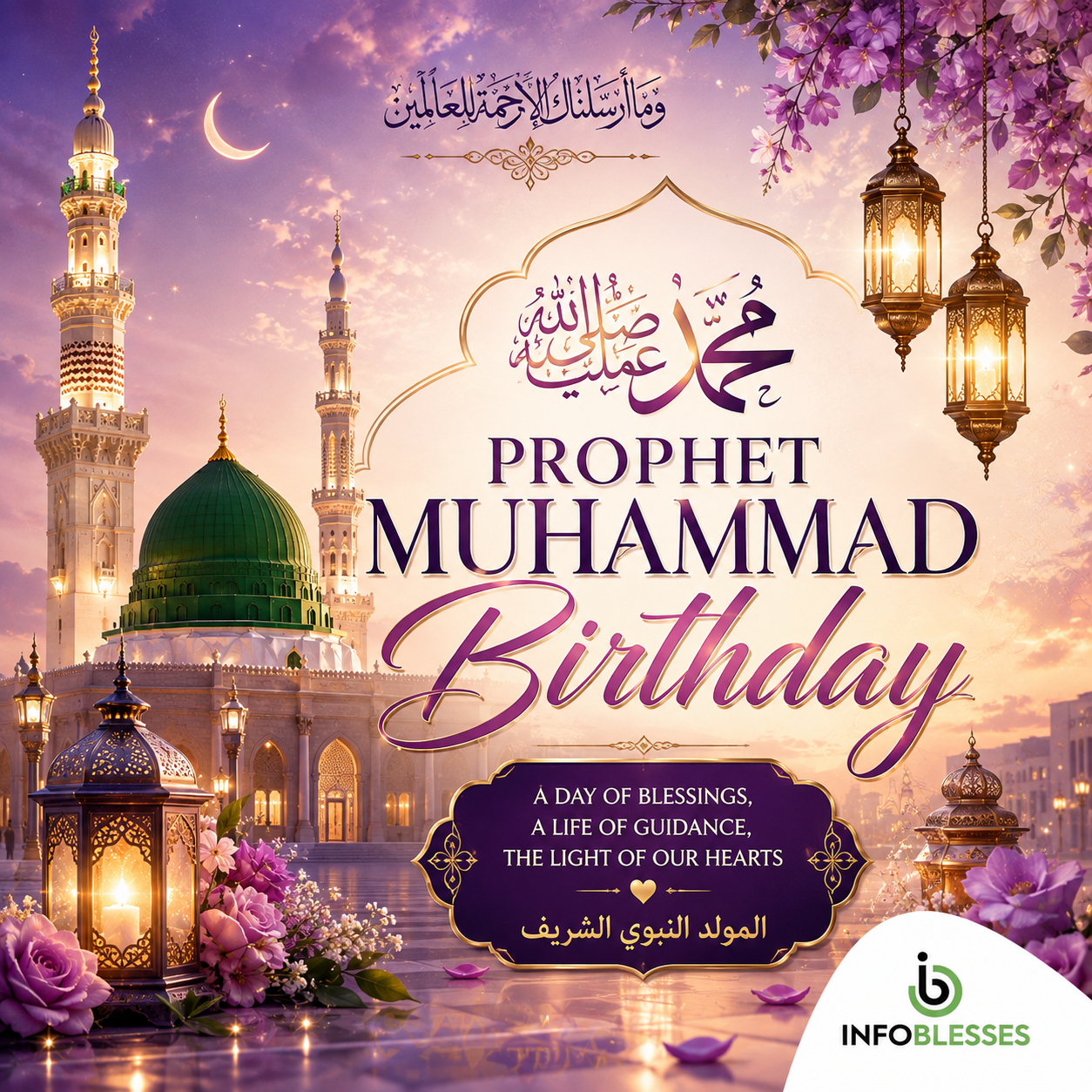
The birth of Prophet Muhammad ﷺ is one of the most important events in Islamic history. He was born in Makkah during the Year of the Elephant, in the month of Rabi al-Awwal. His life later became a source of guidance, mercy, patience, justice, and excellent character for Muslims throughout the world.
The birth of Prophet Muhammad ﷺ is one of the most meaningful events in Islamic history. Muslims love and respect the Messenger of Allah ﷺ because he delivered the final message of Islam and showed humanity how to live according to the guidance of Allah
When Was Prophet Muhammad ﷺ Born?

The Prophet ﷺ was born on a Monday. Authentic hadith establishes this, although scholars have differed concerning the exact date within Rabi al-Awwal. The commonly mentioned 12th of Rabi al-Awwal is a well-known traditional opinion, but it should not be presented as an undisputed historical fact.
Why the Birth of the Prophet ﷺ Matters

His birth matters because his life became the means through which the final message of Islam was conveyed. The Prophet ﷺ taught people to worship Allah alone, practice justice, show mercy, care for family, help the needy, and develop beautiful character.
His Family and Early Life

Prophet Muhammad ﷺ was the son of Abdullah and Aminah bint Wahb. His father died before his birth. His grandfather Abd al-Muttalib cared for him during his early childhood, followed later by his uncle Abu Talib.
His difficult early circumstances demonstrate that hardship doesn’t determine a person’s ultimate future.
Makkah Before the Prophethood
Makkah was an important religious and commercial center. Before revelation, Prophet Muhammad ﷺ was already respected for his honesty and trustworthiness.
His character teaches Muslims that good manners and honesty are essential parts of Islamic life.
The Meaning of Rabi al-Awwal

Rabi al-Awwal is the third month of the Islamic calendar and is closely connected with the life of Prophet Muhammad ﷺ.
It can be an excellent opportunity to study the Seerah, increase salawat, learn authentic hadith, and reflect on the Prophet’s ﷺ character.
Sending Salawat Upon Prophet Muhammad ﷺ

Allah commands believers to send blessings and peace upon Prophet Muhammad ﷺ. Muslims can make salawat part of their daily remembrance.
Allahumma salli wa sallim ‘ala Muhammad.
For the relevant Qur’anic verse, see
Love for the Prophet ﷺ Means Following His Sunnah
True love for the Prophet ﷺ should influence our actions. Muslims can show this love by following authentic Sunnah, protecting their prayers, speaking truthfully, treating parents kindly, helping others, and developing patience and mercy.
Lessons of Mercy From His Life
Mercy was an important part of the Prophetic example. Muslims can apply this lesson by helping people in need, forgiving others, avoiding unnecessary insults, and treating family and neighbors with kindness.
Lessons of Patience and Trust in Allah

The Prophet ﷺ faced rejection, persecution, loss, and hardship, yet he remained patient and devoted to Allah.
His example teaches Muslims that difficult times should be met with sabr, dua, prayer, and continued trust in Allah.
Lessons for Family and Community Life
The Prophetic example teaches kindness toward parents, spouses, children, relatives, neighbors, and the wider Muslim community.
Strong communities are built when people care for one another and help those experiencing difficulties.
Good Deeds to Practice in Rabi al-Awwal

Use Rabi al-Awwal as a reminder to:
- Study the Seerah.
- Increase salawat.
- Give sadaqah.
- Improve your character.
- Strengthen family relationships.
- Learn authentic hadith.
- Protect your salah.
- Help people in need.
Frequently Asked Questions About Prophet Muhammad Birthday
When was Prophet Muhammad ﷺ born?
He was born in Makkah during the Year of the Elephant, in Rabi al-Awwal, and authentic hadith establishes Monday as the day of his birth.
Was he definitely born on the 12th of Rabi al-Awwal?
The 12th is a widely recognized traditional date, but scholars have differed over the precise date.
How can Muslims honor Prophet Muhammad ﷺ?
By following his authentic Sunnah, sending salawat, studying his Seerah, improving character, worshipping Allah, and helping others.
The Power Word: Mercy

The Power Word for this article is Mercy.
The Prophet’s ﷺ example teaches Muslims to combine faith with compassion, patience, forgiveness, honesty, and service to others.
Conclusion:

Remembering Prophet Muhammad ﷺ should inspire action. Learn his Seerah, follow his Sunnah, send salawat, protect your prayers, treat people kindly, and remain devoted to Allah.