
What Does Dhikr Mean in Islam?
The Arabic word Dhikr means remembrance. In Islam, it refers to remembering Allah with the tongue and heart.
Common forms include:
- SubhanAllah — Glory be to Allah.
- Alhamdulillah — All praise belongs to Allah.
- Allahu Akbar — Allah is the Greatest.
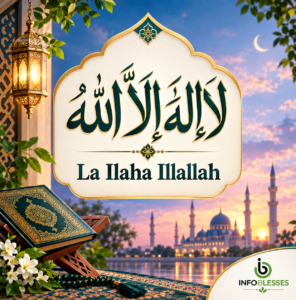
- La ilaha illallah — There is no deity worthy of worship except Allah.
- Astaghfirullah — I seek forgiveness from Allah.
Dhikr can also include Quran recitation, dua, and sending blessings upon Prophet Muhammad ﷺ.
Why Is Dhikr Important in Islam?
The Quran frequently encourages believers to remember Allah. Dhikr keeps remembrance of Allah present throughout everyday life.
A Muslim can make dhikr after Salah, in the morning, in the evening, before sleeping, during travel, or during difficult moments.
This makes remembrance an important part of a consistent Islamic lifestyle.

Powerful Benefits of Dhikr
Dhikr has many spiritual benefits described in Islamic sources. It strengthens a believer’s relationship with Allah and encourages gratitude, repentance, patience, and awareness of the Creator.
Allah says:
“Surely in the remembrance of Allah do hearts find comfort.”
Dhikr can help a Muslim remember Allah during both ease and hardship. It can also encourage better spiritual habits and remind a believer of the Hereafter.
Powerful Types of Dhikr
There are many established forms of Islamic remembrance.
SubhanAllah means that Allah is free from every imperfection.
Alhamdulillah means “All praise belongs to Allah” and expresses gratitude.
Allahu Akbar means “Allah is the Greatest.”
La ilaha illallah expresses the Islamic belief in the Oneness of Allah.
Astaghfirullah means “I seek forgiveness from Allah.”
Muslims can also send blessings upon Prophet Muhammad ﷺ according to the guidance of the Sunnah.

Morning and Evening Dhikr
Morning and evening are important times for Islamic remembrance. The Quran encourages believers to remember Allah during these parts of the day.
Many Muslims follow established morning and evening adhkar based on authentic hadith.
A simple routine can include Quran recitation, praise of Allah, seeking forgiveness, and established supplications.
The goal should be consistency and understanding rather than rushing through a long list.
Dhikr After Salah
After the obligatory prayers, Muslims can perform established forms of remembrance taught by Prophet Muhammad ﷺ.
Among the well-known post-Salah adhkar are SubhanAllah, Alhamdulillah, and Allahu Akbar.
A simple routine is:
- Complete Salah.
- Perform established post-prayer remembrance.
- Make personal dua.
- Continue with daily responsibilities.
Dhikr for Peace of Heart
One of the beautiful Quranic teachings about Dhikr is that hearts find comfort through remembering Allah.
This doesn’t mean a believer will never experience sadness or difficulty. Muslims still experience grief, fear, stress, and uncertainty.
However, Dhikr provides a way to turn toward Allah during those moments.
A person may remember Allah through phrases such as:
- Hasbunallahu wa ni’mal wakeel
- La hawla wa la quwwata illa billah
- Astaghfirullah
- La ilaha illallah
Dhikr During Difficult Times
Hardship is part of worldly life. Financial problems, family challenges, disappointment, and uncertainty can test a person’s patience.
Dhikr can remind a Muslim that Allah knows every difficulty.
A believer can combine remembrance with sabr (patience), dua, tawakkul (reliance upon Allah), repentance, and practical effort.
Dhikr should therefore be part of life during both ease and hardship.
Dhikr and Seeking Forgiveness
Seeking Allah’s forgiveness is an important part of Islamic worship.
The phrase Astaghfirullah means “I seek forgiveness from Allah.” Muslims can use it while sincerely asking Allah to forgive their sins.
True repentance involves more than words. A person should recognize the wrongdoing, regret it, seek Allah’s forgiveness, and sincerely try to avoid returning to the sin.
Simple Dhikr for Beginners
Beginners don’t need a complicated schedule.
A simple routine can include morning adhkar, established post-Salah remembrance, general Dhikr during the day, evening adhkar, and bedtime remembrance.
Start slowly and focus on understanding the meaning.
How to Make Dhikr a Daily Habit
Creating a regular Dhikr habit becomes easier when it is connected with activities you already do.
You can associate Dhikr with Salah, waking up, traveling, finishing work, or preparing for sleep.
Try these steps:
- Start with a few authentic adhkar.
- Learn their meanings.
- Practice consistently.
- Avoid rushing.
- Learn from reliable Islamic sources.
- Gradually expand your knowledge.
For Quranic guidance and translations, Quran.com is a
What Does Dhikr Mean in Islam?
The Arabic word Dhikr means remembrance. In Islam, it refers to remembering Allah with the tongue and heart.
Common forms include:
- SubhanAllah — Glory be to Allah.
- Alhamdulillah — All praise belongs to Allah.
- Allahu Akbar — Allah is the Greatest.
- La ilaha illallah — There is no deity worthy of worship except Allah.
- Astaghfirullah — I seek forgiveness from Allah.
Dhikr can also include Quran recitation, dua, and sending blessings upon Prophet Muhammad ﷺ.
Why Is Dhikr Important in Islam?
The Quran frequently encourages believers to remember Allah. Dhikr keeps remembrance of Allah present throughout everyday life.
A Muslim can make dhikr after Salah, in the morning, in the evening, before sleeping, during travel, or during difficult moments.
This makes remembrance an important part of a consistent Islamic lifestyle.

Powerful Benefits of Dhikr
Dhikr has many spiritual benefits described in Islamic sources. It strengthens a believer’s relationship with Allah and encourages gratitude, repentance, patience, and awareness of the Creator.
Allah says:
“Surely in the remembrance of Allah do hearts find comfort.”
Dhikr can help a Muslim remember Allah during both ease and hardship. It can also encourage better spiritual habits and remind a believer of the Hereafter.
Powerful Types of Dhikr
There are many established forms of Islamic remembrance.
SubhanAllah means that Allah is free from every imperfection.
Alhamdulillah means “All praise belongs to Allah” and expresses gratitude.
Allahu Akbar means “Allah is the Greatest.”
La ilaha illallah expresses the Islamic belief in the Oneness of Allah.
Astaghfirullah means “I seek forgiveness from Allah.”
Muslims can also send blessings upon Prophet Muhammad ﷺ according to the guidance of the Sunnah.

Morning and Evening Dhikr
Morning and evening are important times for Islamic remembrance. The Quran encourages believers to remember Allah during these parts of the day.
Many Muslims follow established morning and evening adhkar based on authentic hadith.
A simple routine can include Quran recitation, praise of Allah, seeking forgiveness, and established supplications.
The goal should be consistency and understanding rather than rushing through a long list.
Dhikr After Salah
After the obligatory prayers, Muslims can perform established forms of remembrance taught by Prophet Muhammad ﷺ.
Among the well-known post-Salah adhkar are SubhanAllah, Alhamdulillah, and Allahu Akbar.
A simple routine is:
- Complete Salah.
- Perform established post-prayer remembrance.
- Make personal dua.
- Continue with daily responsibilities.

Dhikr for Peace of Heart
One of the beautiful Quranic teachings about Dhikr is that hearts find comfort through remembering Allah.
This doesn’t mean a believer will never experience sadness or difficulty. Muslims still experience grief, fear, stress, and uncertainty.
However, Dhikr provides a way to turn toward Allah during those moments.
A person may remember Allah through phrases such as:
- Hasbunallahu wa ni’mal wakeel
- La hawla wa la quwwata illa billah
- Astaghfirullah
- La ilaha illallah
Dhikr During Difficult Times
Hardship is part of worldly life. Financial problems, family challenges, disappointment, and uncertainty can test a person’s patience.
Dhikr can remind a Muslim that Allah knows every difficulty.
A believer can combine remembrance with sabr (patience), dua, tawakkul (reliance upon Allah), repentance, and practical effort.
Dhikr should therefore be part of life during both ease and hardship.

Dhikr and Seeking Forgiveness
Seeking Allah’s forgiveness is an important part of Islamic worship.
The phrase Astaghfirullah means “I seek forgiveness from Allah.” Muslims can use it while sincerely asking Allah to forgive their sins.
True repentance involves more than words. A person should recognize the wrongdoing, regret it, seek Allah’s forgiveness, and sincerely try to avoid returning to the sin.
Simple Dhikr for Beginners
Beginners don’t need a complicated schedule.
A simple routine can include morning adhkar, established post-Salah remembrance, general Dhikr during the day, evening adhkar, and bedtime remembrance.
Start slowly and focus on understanding the meaning.
How to Make Dhikr a Daily Habit
Creating a regular Dhikr habit becomes easier when it is connected with activities you already do.
You can associate Dhikr with Salah, waking up, traveling, finishing work, or preparing for sleep.
Try these steps:
- Start with a few authentic adhkar.
- Learn their meanings.
- Practice consistently.
- Avoid rushing.
- Learn from reliable Islamic sources.
- Gradually expand your knowledge.
For Quranic guidance and translations, Quran.com is a useful external resource.

Common Mistakes to Avoid
Muslims should be careful when learning about Dhikr online because not every popular claim is supported by authentic Islamic evidence.
Avoid treating a particular phrase as a guaranteed formula for receiving a specific worldly result without reliable evidence.
Don’t focus only on numbers while ignoring sincerity and understanding. Dhikr also doesn’t replace obligatory worship such as the five daily prayers.
Frequently Asked Questions About Dhikr
What does Dhikr mean?
Dhikr means remembering Allah. It includes praise, Quran recitation, dua, seeking forgiveness, and established words of remembrance.
What is the most common Dhikr?
Common forms include SubhanAllah, Alhamdulillah, Allahu Akbar, La ilaha illallah, and Astaghfirullah.
Can I make Dhikr at any time?
Many forms of general remembrance can be performed throughout the day. Some specific adhkar have particular times or circumstances.
Is Dhikr only performed after Salah?
No. Muslims can remember Allah throughout the day. There are specific adhkar after Salah as well as morning, evening, and bedtime remembrance.
How much Dhikr should I do?
The amount depends on the particular form of remembrance. Some established adhkar have specific numbers, while general remembrance can be performed frequently.
Can Dhikr help during difficult times?
Dhikr can remind a believer of Allah and encourage patience, trust, and spiritual awareness during hardship.
Is Dhikr the same as Dua?
They are related but not identical. Dhikr broadly means remembering Allah, while dua involves calling upon Allah and asking Him for something.
Conclusion:
Dhikr is a simple yet powerful part of Islamic worship. Through phrases such as SubhanAllah, Alhamdulillah, Allahu Akbar, La ilaha illallah, and Astaghfirullah, Muslims can remember Allah throughout everyday life.
The Quran and Sunnah provide many forms of remembrance, including morning and evening adhkar and remembrance after Salah.
The key is sincerity. Learn the meanings, reflect upon them, and allow remembrance to strengthen your relationship with Allah.
May Allah make us among those who remember Him frequently, remain grateful for His blessings, seek His forgiveness, and follow His guidance. Ameen.