Introduction: Understanding Raya Adha
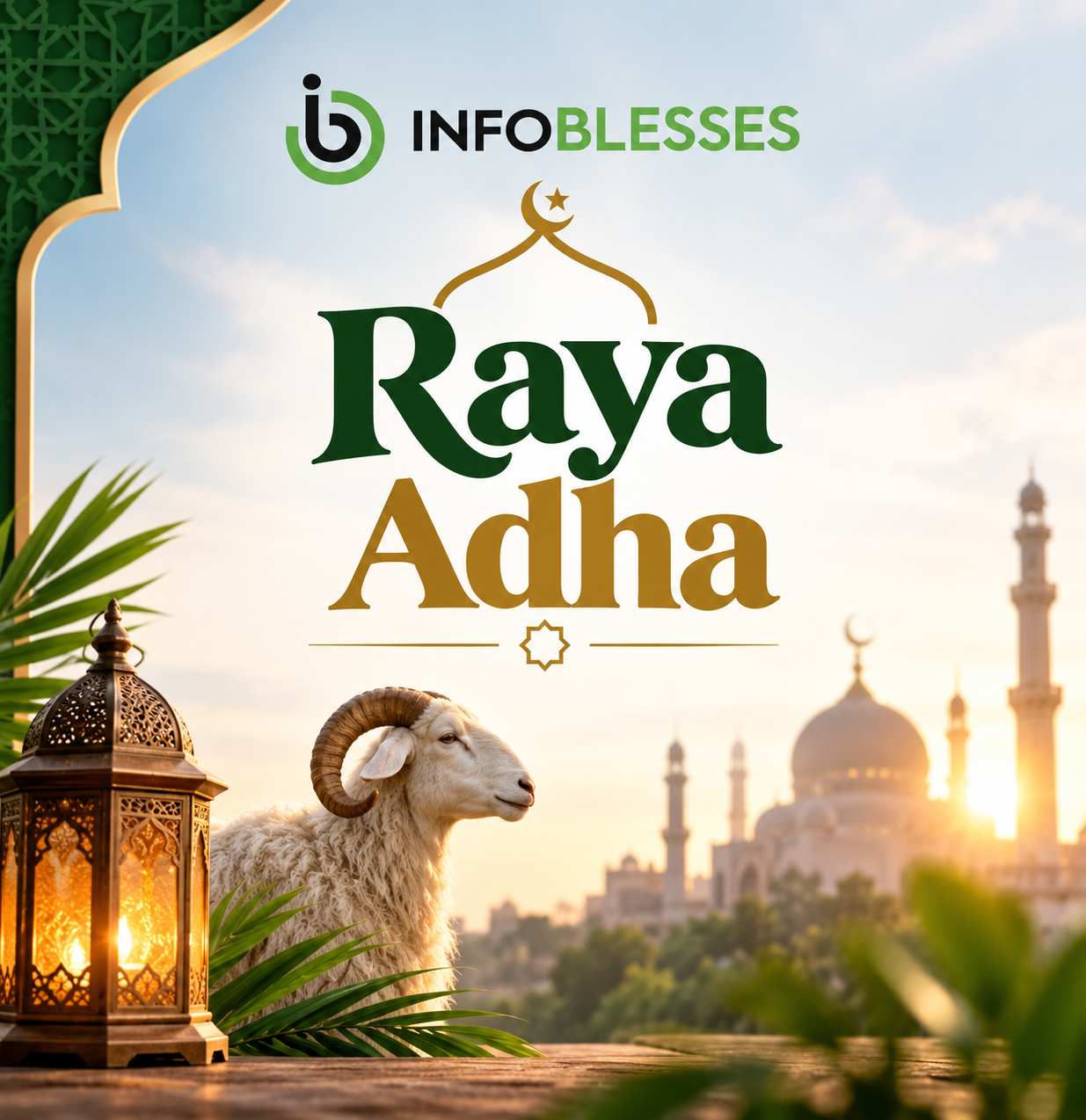
Raya Adha is one of the most important celebrations in the Islamic calendar. Known internationally as Eid al-Adha, it is often called the Festival of Sacrifice. The occasion reminds Muslims of the importance of faith, obedience to Allah, compassion, generosity, and service to others.
Celebrated by Muslim communities worldwide, Raya Adha brings families, friends, and neighbors together for prayers, shared meals, charitable acts, and meaningful traditions. It also coincides with the annual Hajj pilgrimage to Makkah, one of the five pillars of Islam.
Although the festival is celebrated in different ways across countries and cultures, its central message remains the same: sincere faith should inspire kindness, gratitude, and responsibility toward others.
From special morning prayers to the distribution of sacrificial meat, every practice carries religious and social significance. Understanding these customs helps Muslims celebrate with greater purpose and enables people of other faiths to appreciate the occasion.
In this guide, you’ll discover the meaning of Raya Adha, its historical origins, important religious practices, traditional foods, regional customs, and practical ways to celebrate respectfully and responsibly.
1. What Is Raya Adha? Meaning, Definition, and Importance
Raya Adha is a name used in parts of Southeast Asia for the Islamic celebration known as Eid al-Adha. The name is especially associated with Malay-speaking communities, where the festival may also be called Hari Raya Aidiladha or Hari Raya Haji.
The word Raya is commonly associated with a grand celebration or festive occasion. Adha comes from the Arabic word connected with sacrifice. Together, the name reflects a religious celebration centered on devotion, sacrifice, and generosity.
Eid al-Adha is celebrated on the tenth day of Dhul Hijjah, the final month of the Islamic lunar calendar. It follows the Day of Arafah, which is especially significant for pilgrims performing Hajj.
Unlike celebrations that focus mainly on entertainment or gift-giving, Raya Adha emphasizes spiritual reflection and putting religious values into practice.
1.1 Why Is Raya Adha Called the Festival of Sacrifice?
The festival commemorates the willingness of Prophet Ibrahim (Abraham) to obey Allah’s command, as described in Islamic tradition.
According to the account in the Quran, Prophet Ibrahim was prepared to sacrifice his son in obedience to Allah. Before the sacrifice took place, Allah intervened and provided a substitute. This event represents profound faith and submission to God’s will.
Muslims remember this lesson through prayer, reflection, charity, and the religious practice of animal sacrifice, known as Qurbani or Udhiyah.
The practice isn’t simply about the animal itself. Its deeper meaning lies in sincerity, obedience, and the willingness to give up something valuable for the sake of Allah.
1.2 Other Names for Raya Adha
Different communities use different names for the same religious festival.
| Name | Common Usage |
|---|---|
| Eid al-Adha | Widely used internationally |
| Hari Raya Aidiladha | Malaysia and parts of Southeast Asia |
| Hari Raya Haji | Malaysia and Singapore |
| Bakrid or Bakra Eid | India and some South Asian communities |
| Kurban Bayramı | Türkiye |
| Tabaski | Several West African countries |
| Festival of Sacrifice | English-language description |
These names reflect local languages and cultural traditions rather than entirely different celebrations.
1.3 Why Is the Festival Important to Muslims?
The importance of Raya Adha can be understood through four central values:
-
Faith: Trusting Allah and following religious teachings.
-
Sacrifice: Giving up personal comforts or resources for a higher purpose.
-
Generosity: Sharing food, wealth, and support with people in need.
-
Unity: Strengthening relationships through prayer, hospitality, and community service.
Together, these values make the festival both a religious observance and a powerful reminder of social responsibility.
2. The Historical Background of Raya Adha
The historical foundation of Raya Adha comes from the story of Prophet Ibrahim, his family, and his devotion to Allah. The Quran presents this story as an example of trust, obedience, and spiritual commitment.
Understanding its background helps explain why the festival continues to hold such a central place in Muslim life.
2.1 The Story of Prophet Ibrahim
Prophet Ibrahim is highly respected in Islam and is also recognized in Judaism and Christianity. Islamic teachings describe him as a devoted servant of Allah who demonstrated extraordinary faith.
In the Quranic account, Prophet Ibrahim sees in a dream that he is to sacrifice his son. He discusses the matter with his son, who responds with willingness to submit to Allah’s command.
When Ibrahim is prepared to carry out the sacrifice, Allah intervenes and provides a substitute.
This event is described in Surah As-Saffat, verses 100–111, in the Quran.
The story emphasizes that genuine devotion involves trust, patience, and willingness to obey God. It also illustrates the importance of approaching religious duties with sincerity rather than pride or personal ambition.
2.2 What Does the Story Teach?
The story offers several lessons that remain relevant today.
First, faith requires trust. Life often presents difficult situations, and religious believers may find strength in trusting Allah while making responsible decisions.
Second, sacrifice involves more than material possessions. People can demonstrate sacrifice by giving time, helping relatives, supporting vulnerable neighbors, or letting go of selfish behavior.
Third, family relationships matter. The conversation between Ibrahim and his son highlights communication and shared commitment in the face of a serious challenge.
Fourth, compassion is essential. The substitute provided in the story reminds Muslims that the purpose of the festival isn’t cruelty or violence. Rather, its meaning is rooted in devotion to Allah and the proper observance of religious teachings.
2.3 How Did the Celebration Become a Global Tradition?
As Islam spread across regions, communities developed distinctive ways of observing Eid al-Adha.
In South Asia, families often prepare traditional meals, wear festive clothing, visit relatives, and distribute meat among households.
In Southeast Asia, Hari Raya Haji is marked by communal prayers, charitable giving, and Qurbani arrangements. In Türkiye, families celebrate Kurban Bayramı through prayer, hospitality, and visits to relatives.
In many African communities, Eid al-Adha combines religious observance with strong neighborhood connections, traditional foods, and collective celebrations.
Despite these cultural differences, the festival’s religious foundation remains consistent.
2.4 The Lasting Significance of Its History
The story of Prophet Ibrahim continues to shape how Muslims understand faith and responsibility.
Raya Adha encourages people to examine their intentions and consider whether their actions reflect their beliefs. It also reminds communities that worship should inspire generosity and concern for those who have fewer resources.
The historical story isn’t merely something to remember once a year. Its lessons can guide daily life through honesty, patience, compassion, and service to others.
3. The Religious Significance of Raya Adha
Raya Adha holds deep religious importance because it connects worship with personal conduct and community welfare. Muslims observe the festival through prayer, remembrance of Allah, Qurbani where applicable, and acts of charity.
Its meaning becomes clearer when these practices are understood together rather than treated as separate activities.
3.1 Faith and Submission to Allah
One of the central lessons of the festival is submission to Allah.
In Islam, worship involves more than performing rituals. It also includes developing good character, fulfilling responsibilities, and treating others fairly.
The example of Prophet Ibrahim encourages Muslims to reflect on whether their choices demonstrate trust and sincerity.
For example, a person might celebrate by helping a struggling relative, giving money to someone in need, or making a commitment to act more honestly. These actions reflect the broader spirit of the occasion.
3.2 The Meaning of Qurbani
Qurbani, also known as Udhiyah, is the ritual sacrifice of an eligible animal during the prescribed period of Eid al-Adha.
The practice commemorates the example of Prophet Ibrahim and is governed by Islamic guidance concerning eligibility, timing, animal welfare, and distribution.
The religious details may differ according to Islamic school of thought and individual circumstances. Muslims who need guidance about whether the practice is obligatory for them should consult a qualified local scholar.
The Quran states in Surah Al-Hajj, verse 37, that neither the meat nor the blood reaches Allah; rather, it is one’s devotion that matters.
This teaching makes an important distinction: the spiritual value of Qurbani isn’t measured simply by the cost of an animal.
3.3 Prayer and Remembrance
Eid prayer is another central part of the celebration.
Muslims gather in mosques, designated prayer grounds, or other suitable locations to perform the special congregational prayer. The prayer is accompanied by a sermon or religious reminder in many communities.
The gathering strengthens a sense of unity. People from different backgrounds stand together, sharing a common purpose and remembering their responsibilities toward Allah and fellow human beings.
3.4 Charity as an Expression of Faith
Charitable giving is strongly associated with Raya Adha.
Depending on local practices and the circumstances of the household, families may distribute sacrificial meat, provide meals, donate money, or support community welfare projects.
The aim is to ensure that people facing financial hardship can participate in the celebration with dignity.
Charity also encourages humility. It reminds people that wealth and opportunity are responsibilities, not simply personal achievements.
3.5 Spiritual Lessons for Everyday Life
The religious lessons of Raya Adha extend well beyond the festival itself.
| Religious Value | Practical Example |
|---|---|
| Faith | Trusting Allah while acting responsibly |
| Patience | Responding calmly to difficult situations |
| Generosity | Sharing food, money, and time |
| Gratitude | Appreciating family, health, and opportunities |
| Compassion | Supporting people experiencing hardship |
| Responsibility | Following religious guidance and local laws |
When these values become part of everyday behavior, the festival’s influence continues long after the celebration ends.
4. When Is Raya Adha Celebrated?
Raya Adha takes place on the tenth day of Dhul Hijjah, the twelfth month of the Islamic calendar.
Because the Islamic calendar follows lunar months, the festival moves through the Gregorian calendar from year to year.
4.1 Understanding the Islamic Lunar Calendar
The Islamic calendar is based on the cycles of the moon. A lunar year is approximately 354 or 355 days long, making it shorter than the solar year.
As a result, Eid al-Adha shifts approximately ten or eleven days earlier in the Gregorian calendar each year, although the precise difference varies.
The beginning of Dhul Hijjah is determined according to the calendar and moon-sighting method followed by the relevant religious authority.
Consequently, the festival may be observed on different Gregorian dates in different countries.
4.2 The Important Days of Eid al-Adha
The main religious observances take place over several days.
| Day | Significance |
|---|---|
| 9 Dhul Hijjah | Day of Arafah, central to the Hajj pilgrimage |
| 10 Dhul Hijjah | Eid al-Adha begins; Eid prayer and Qurbani take place |
| 11 Dhul Hijjah | Second day of Eid and a continuing period for sacrifice |
| 12 Dhul Hijjah | Third day of Eid |
| 13 Dhul Hijjah | Fourth day of Eid and final day of sacrifice according to many commonly followed rulings |
The precise rules for sacrifice timing should be confirmed with a trusted local scholar, as interpretations and practical arrangements can vary.
4.3 How Are Official Dates Determined?
Countries and religious authorities may rely on local moon sighting, regional observations, or established astronomical calculations.
For this reason, Muslims shouldn’t assume that a date announced in another country will automatically apply in their own community.
To confirm the date, check announcements from your local mosque, recognized Islamic authority, or national religious institution.
For additional background on the pilgrimage and its religious context, visit the official website of the Ministry of Hajj and Umrah of Saudi Arabia.
4.4 Is Raya Adha a Public Holiday?
In many Muslim-majority countries, Eid al-Adha is a public holiday. The number of official holidays varies according to national law and local government announcements.
In Pakistan, for example, the government announces official Eid holidays, while businesses and educational institutions may also publish their own schedules.
In countries where Muslims are a minority, the festival may not be an official national holiday. Nevertheless, many communities arrange prayer services and gatherings.
If you’re planning travel, work, shopping, or a family event, it’s wise to confirm local holiday announcements in advance.
5. The Connection Between Raya Adha and Hajj
Hajj is the annual pilgrimage to Makkah in Saudi Arabia. It is one of the five pillars of Islam and is required once in a lifetime for Muslims who are physically and financially able to perform it.
Eid al-Adha takes place during the Hajj season, creating a strong religious connection between pilgrims and Muslims celebrating at home.
5.1 What Is Hajj?
Hajj brings Muslims from many countries together to perform a series of prescribed acts of worship.
Pilgrims travel to sacred locations associated with the history of Islam and Prophet Ibrahim. The pilgrimage includes rites performed in and around Makkah, Mina, Arafah, and Muzdalifah.
The experience emphasizes devotion, equality, humility, and unity.
Pilgrims wear simple clothing during important parts of the pilgrimage, reinforcing the idea that social status and wealth don’t determine a person’s spiritual worth.
5.2 The Day of Arafah
The ninth day of Dhul Hijjah is known as the Day of Arafah.
For Hajj pilgrims, standing at Arafah is a central rite of the pilgrimage. For Muslims who aren’t performing Hajj, the day is also spiritually significant.
Many non-pilgrims choose to fast on the Day of Arafah, following the well-known Islamic tradition associated with its spiritual merit. Those who are performing Hajj generally follow the established pilgrimage guidance concerning fasting.
The day encourages prayer, repentance, gratitude, and reflection.
5.3 How Hajj and Eid al-Adha Are Connected
The connection between Hajj and Raya Adha is both historical and spiritual.
Both are associated with the legacy of Prophet Ibrahim and the themes of submission to Allah and devotion through action.
While pilgrims undertake the prescribed rites of Hajj, Muslims around the world celebrate Eid al-Adha through prayer, charity, and other religious practices.
The shared occasion creates a sense of global community. Whether a person is in Makkah or celebrating with family at home, the festival reinforces the unity of Muslims across cultures and borders.
6. Traditional Raya Adha Customs and Practices
Raya Adha celebrations combine religious observances with local customs. While individual traditions differ, many households follow a similar pattern of preparation, prayer, sharing, and family visits.
6.1 Preparing for the Festival
Preparation often begins before Eid day.
Families clean their homes, arrange festive clothing, purchase food, and coordinate visits with relatives. Those planning Qurbani may arrange the process through an appropriate supplier or an authorized service.
Responsible preparation can make the celebration more peaceful and enjoyable.
A simple checklist includes:
-
Confirming the local Eid date and prayer time.
-
Preparing clean, modest, festive clothing.
-
Planning meals and shopping for ingredients.
-
Arranging charitable contributions.
-
Coordinating family visits.
-
Making lawful and humane Qurbani arrangements where applicable.
It’s also helpful to consider elderly relatives, young children, and family members who may need additional support.
6.2 Eid Morning Prayer
On Eid morning, Muslims typically prepare early and attend the special congregational prayer.
Many communities recommend bathing, wearing clean clothing, and observing the established etiquette for Eid prayer.
The prayer is usually followed by a sermon or religious reminder. Afterwards, worshippers greet one another and exchange good wishes.
A common greeting is “Eid Mubarak,” meaning approximately “Blessed Eid.”
In Malay-speaking communities, people may exchange greetings associated with Hari Raya Aidiladha.
6.3 Takbir and Religious Remembrance
Takbir refers to declaring the greatness of Allah, commonly through the words Allahu Akbar.
During Eid al-Adha, takbir is recited according to established religious practices. The precise timing and form can vary among Islamic traditions.
The recitation gives the festival a spiritual atmosphere and reminds participants that the occasion is primarily about worship rather than entertainment.
6.4 Family Visits and Hospitality
After prayer, families often visit parents, grandparents, siblings, and other relatives.
Hosts may serve traditional meals, sweets, tea, or other refreshments. Children enjoy spending time with relatives, while older family members share stories and offer advice.
These gatherings help maintain family connections, especially when relatives live far apart or have busy schedules.
However, celebrations don’t have to be elaborate. A simple visit, phone call, or shared meal can be meaningful when it reflects genuine care.
6.5 Clothing and Personal Presentation
Many people wear new or specially prepared clothing for Raya Adha.
Examples include traditional Malay clothing, shalwar kameez in South Asia, modest formal outfits in the Middle East, and locally preferred festive garments elsewhere.
There’s no single outfit that defines the festival. Clothing choices vary according to culture, climate, budget, and personal preference.
The important principle is to dress appropriately for prayer and family gatherings while avoiding unnecessary pressure to purchase expensive items.
7. Qurbani: Meaning, Process, and Distribution
Qurbani is among the most recognized practices associated with Eid al-Adha. It is a religious act intended to express devotion to Allah and commemorate the example of Prophet Ibrahim.
However, it must be approached responsibly, with attention to religious requirements, animal welfare, hygiene, and local law.
7.1 Which Animals Are Used for Qurbani?
Depending on Islamic guidance and local availability, eligible animals commonly include:
-
Sheep.
-
Goats.
-
Cattle.
-
Camels.
The animal must meet applicable age and health requirements. Rules differ by animal type and may vary in their interpretation across Islamic schools of thought.
An animal that is seriously ill or has certain disqualifying defects may not qualify.
For this reason, anyone arranging Qurbani should consult a knowledgeable religious authority and use a responsible provider.
7.2 Who Is Responsible for Qurbani?
The religious ruling on Qurbani differs among Islamic schools of thought and depends on the circumstances of the individual or household.
Some traditions consider it obligatory for eligible Muslims, while others regard it as a strongly emphasized Sunnah.
Eligibility may depend on financial circumstances and other conditions. It’s therefore best not to assume that every Muslim has precisely the same obligation.
A qualified local scholar can explain the requirements relevant to a person’s circumstances.
7.3 How Is the Meat Distributed?
A widely practiced approach is to divide sacrificial meat among different recipients, including the household, relatives or neighbors, and people experiencing financial hardship.
Some communities use an approximate one-third distribution as a practical guideline. However, this isn’t a universal fixed requirement across all interpretations and circumstances.
The broader purpose is to encourage sharing and ensure that people in need can benefit from the celebration.
| Recipient | Purpose |
|---|---|
| Household | Providing food for the family |
| Relatives and neighbors | Strengthening relationships and hospitality |
| People in need | Supporting families experiencing hardship |
Distribution methods may vary according to local guidance and community needs.
7.4 Animal Welfare and Hygiene
Qurbani must be performed with attention to animal welfare and applicable religious requirements.
Responsible arrangements include providing proper handling, avoiding unnecessary suffering, using trained personnel where required, and ensuring hygienic meat processing.
Waste must be disposed of properly, and local rules governing slaughter locations should always be followed.
In urban areas, authorized facilities or reputable Qurbani services may offer safer, cleaner, and more organized arrangements than informal alternatives.
7.5 The Deeper Meaning of Sacrifice
The most important lesson of Qurbani isn’t the financial value of the animal.
A person who chooses an expensive animal doesn’t automatically demonstrate greater devotion than someone whose sacrifice is more modest. Religious sincerity, lawful practice, and concern for others are central to the meaning of the observance.
Raya Adha therefore invites Muslims to consider what else they can sacrifice for the common good: selfishness, resentment, unnecessary spending, or time that could be used to help someone else.
8. Traditional Foods and Special Meals During Raya Adha
Food plays an important role in many Raya Adha celebrations. Shared meals create opportunities for hospitality, gratitude, and family connection.
Because the festival is celebrated across many countries, its cuisine reflects local ingredients, cooking methods, and cultural preferences.
8.1 Popular Meat Dishes
Meat dishes are especially common in communities where Qurbani is practiced.
Examples include:
-
Biryani: A fragrant rice dish prepared with spices and meat.
-
Kebabs: Grilled or cooked meat seasoned with herbs and spices.
-
Nihari: A slow-cooked meat stew popular in parts of South Asia.
-
Mutton karahi: A meat dish cooked with tomatoes, ginger, chilies, and spices.
-
Mandi: A rice and meat dish associated with Arabian cuisine.
-
Satay: Skewered meat served with sauces in Southeast Asian food traditions.
-
Rendang: A richly spiced meat dish associated with Indonesian and Malaysian cuisine.
These foods aren’t universal Eid requirements. They are examples of the diverse culinary traditions that may accompany the festival.
8.2 Sweets and Refreshments
Families may also serve desserts, biscuits, fruit, tea, coffee, or traditional sweets.
The selection depends on regional customs and household preferences. In some homes, visitors are welcomed with a full meal; in others, a small plate of sweets and a drink is enough.
Hospitality doesn’t need to be expensive to be meaningful.
8.3 Food Safety During the Celebration
When large quantities of meat are prepared, safe storage and handling become particularly important.
Follow these basic precautions:
-
Keep raw meat separate from cooked food.
-
Refrigerate or freeze meat promptly.
-
Use clean utensils and preparation surfaces.
-
Cook meat thoroughly.
-
Avoid leaving perishable dishes at room temperature for extended periods.
-
Share food using clean, suitable packaging.
Good food safety protects family members and guests, especially children, older adults, and people who may be more vulnerable to foodborne illness.
8.4 Making Meals Inclusive
Not everyone celebrates in the same way or eats the same foods.
Consider including vegetarian dishes, lighter meals, and options that accommodate known dietary needs. Ask guests about allergies when appropriate.
The spirit of Raya Adha is strengthened when everyone feels welcome at the table.
9. How Raya Adha Is Celebrated Around the World
Although the religious meaning remains consistent, the festival takes on distinctive forms in different countries.
Language, local history, food, clothing, and family customs influence how people observe the occasion.
9.1 Raya Adha in Malaysia and Singapore
In Malaysia, Hari Raya Aidiladha is associated with communal prayers, Qurbani, family gatherings, and charitable giving.
Some families return to their hometowns to celebrate with parents and extended relatives. Traditional clothing and local foods add to the festive atmosphere.
In Singapore, Muslim communities observe the occasion through prayers, community activities, and family visits, with arrangements shaped by local regulations and circumstances.
9.2 Raya Adha in Pakistan
In Pakistan, Eid al-Adha is commonly known as Bakra Eid or Bari Eid.
Families prepare for the festival by purchasing eligible animals where they plan to perform Qurbani. On Eid day, many people attend congregational prayers, exchange greetings, and arrange the distribution of sacrificial meat.
Traditional foods may include biryani, karahi, kebabs, and other meat dishes.
Because the celebration can involve substantial amounts of meat, responsible storage, clean handling, and organized distribution are particularly important.
9.3 Eid al-Adha in the Middle East
Across the Middle East, Eid al-Adha is celebrated through prayer, hospitality, family visits, and charitable giving.
Traditional foods differ between countries. Rice dishes, roasted meat, stews, and regional sweets are common in various communities.
In Saudi Arabia, the festival also takes place during the Hajj season, creating a close connection between Eid celebrations and the pilgrimage.
9.4 Eid al-Adha in Africa
In many African countries, Eid al-Adha is marked by communal worship, family meals, and the sharing of food.
In parts of West Africa, the festival is widely known as Tabaski. Celebrations may include traditional clothing, visits to relatives, and community gatherings.
Local customs differ considerably, reflecting the diversity of African societies and Muslim traditions.
9.5 Celebrating in Western Countries
Muslim communities in countries such as the United States, Canada, the United Kingdom, and Australia often organize Eid prayers, community meals, charity drives, and family activities.
Because the festival may fall on a working day, people sometimes coordinate leave, school arrangements, and travel in advance.
Mosques and community organizations may also offer educational programs that help children understand the religious meaning of Eid al-Adha.
9.6 What Unites These Celebrations?
Despite differences in language, food, and clothing, the main values are remarkably consistent.
Muslims around the world use the occasion to remember Allah, honor the legacy of Prophet Ibrahim, strengthen family relationships, and share resources with others.
Cultural diversity adds richness to the celebration without changing its central religious message.
10. Family, Friendship, and Community During Raya Adha
Family and community connections are important parts of Raya Adha. The festival creates an opportunity to renew relationships and spend meaningful time with others.
For many households, it is one of the few occasions when relatives who live far apart can gather together.
10.1 Strengthening Family Bonds
Families may organize meals, visit older relatives, exchange greetings, and spend time with children.
These simple activities can build lasting memories and help younger generations learn about their religious and cultural heritage.
The celebration also offers an opportunity to resolve misunderstandings and reconnect with relatives after periods of limited contact.
10.2 Teaching Children About the Festival
Children can learn about Raya Adha through age-appropriate stories, charitable activities, cooking, and family traditions.
Parents might explain the story of Prophet Ibrahim, discuss the meaning of generosity, or encourage children to prepare small care packages for people in need.
If Qurbani is discussed, adults should explain its religious meaning in a calm and age-appropriate manner.
The goal is to build understanding and compassion rather than making children feel frightened or pressured.
10.3 Welcoming Neighbors and Friends
Inviting neighbors or friends to share a meal can help build understanding between people from different backgrounds.
A thoughtful invitation, a small gift, or a friendly greeting can strengthen local relationships.
Non-Muslim friends may appreciate learning why the festival is important, especially if the explanation focuses on shared values such as gratitude, generosity, and caring for family.
10.4 Making the Festival Accessible
Not every person can travel, attend crowded gatherings, or prepare a large meal.
Families can make celebrations more inclusive by arranging transport for older relatives, calling people who live alone, offering suitable seating, and considering guests with disabilities.
A meaningful celebration isn’t measured by the number of guests or the size of the meal. It’s measured in part by the care people show one another.
11. Charity and Social Responsibility During Raya Adha
Charity is one of the most important social dimensions of Raya Adha.
The festival encourages Muslims to recognize that food, financial resources, and opportunities should be shared responsibly, particularly with people who face hardship.
11.1 Supporting Families in Need
For households struggling to afford food, clothing, or basic expenses, Eid can be a difficult time.
Charitable activities can help make the occasion more comfortable and inclusive.
Examples include:
-
Distributing sacrificial meat appropriately.
-
Donating food to community kitchens.
-
Supporting reputable humanitarian organizations.
-
Helping relatives facing financial difficulties.
-
Providing essential supplies to vulnerable households.
-
Offering practical help to elderly or isolated neighbors.
Whenever possible, assistance should be offered respectfully and without drawing unwanted attention to recipients.
11.2 Choosing Responsible Charities
People who donate through organizations should consider transparency, accountability, and how contributions are distributed.
Before donating, check whether an organization provides clear information about its activities and follows applicable legal and religious requirements.
If donating internationally, review the organization’s procedures for handling funds, arranging Qurbani, and distributing aid.
No single charitable organization is suitable for every donor. The best choice is one that can demonstrate responsible practices and meet the needs of the intended community.
11.3 Environmental Responsibility
Large celebrations can create waste if food, packaging, and animal by-products aren’t managed carefully.
Families and community organizers can reduce environmental harm by planning food quantities, storing leftovers safely, minimizing unnecessary packaging, and following local waste-disposal rules.
Meat and other food should only be distributed when it can be handled and stored safely.
Responsible environmental practices support community health and reflect a wider concern for the well-being of others.
11.4 Giving Beyond the Festival
The values associated with Raya Adha shouldn’t end when the celebration is over.
Regular charitable giving, volunteering, mentoring, and helping neighbors can make a lasting difference.
Even small acts of kindness become meaningful when they’re practiced consistently.
12. Practical Guide to Planning a Meaningful Raya Adha Celebration
A well-planned celebration can reduce stress and allow more time for prayer, family, and charity.
The following suggestions can help households organize the occasion without overspending or losing sight of its purpose.
12.1 One Week Before Eid
Begin by confirming the expected date with a trusted local authority.
Next, discuss plans with family members, identify important visits, and estimate the cost of food and other essentials.
If you’re arranging Qurbani, check the applicable religious requirements and make arrangements with a reputable provider.
It’s also useful to identify relatives or neighbors who may appreciate a visit or practical assistance.
12.2 One or Two Days Before Eid
Complete necessary shopping and prepare suitable clothing.
Check the timing and location of Eid prayers. Prepare any food that can safely be made in advance, and organize transportation for family members who need assistance.
If you plan to distribute meals or meat, consider appropriate packaging and safe storage.
12.3 On Eid Day
A simple schedule might look like this:
| Time | Suggested Activity |
|---|---|
| Early morning | Prepare for Eid prayer |
| Morning | Attend congregational prayer and exchange greetings |
| Late morning | Coordinate Qurbani where applicable and permitted |
| Afternoon | Visit relatives or share a family meal |
| Evening | Distribute remaining gifts or charitable contributions and rest |
This is only an example. Actual timing depends on local prayer schedules, religious guidance, and household arrangements.
12.4 Celebrating on a Budget
A meaningful Raya Adha celebration doesn’t require expensive clothing, elaborate decorations, or a large gathering.
You can keep costs manageable by preparing meals at home, sharing responsibilities with relatives, buying only what you need, and prioritizing charitable giving according to your means.
If you’re hosting visitors, a simple meal served warmly is often more valuable than an expensive menu.
Avoid taking on unnecessary debt to meet social expectations.
12.5 A Simple Celebration Checklist
Preparation helps make the day more peaceful, organized, and meaningful.
13. Common Mistakes to Avoid During Raya Adha
Even with the best intentions, celebrations can become stressful when people focus too much on appearances or overlook practical responsibilities.
Avoiding a few common mistakes can help preserve the festival’s true meaning.
13.1 Treating the Festival as Only a Social Event
Family gatherings and festive meals are valuable, but they shouldn’t overshadow prayer, devotion, and charity.
Remember why the occasion matters before deciding how to celebrate it.
13.2 Overspending to Impress Others
Expensive animals, clothing, decorations, or meals aren’t measures of spiritual worth.
Plan according to your means and avoid comparing your celebration with what other households can afford.
13.3 Ignoring Animal Welfare
Where Qurbani is performed, it should comply with religious requirements and applicable laws.
Unnecessary suffering, unsafe handling, and inappropriate slaughter locations should be avoided. Responsible providers can help ensure that the process is handled properly.
13.4 Distributing Food Without Considering Safety
Food should be packaged, stored, transported, and distributed in ways that protect health.
Large quantities of meat require particular care because improper handling can cause illness.
13.5 Forgetting People Who May Be Alone
Some people may have lost loved ones, live far from family, or experience financial hardship.
A thoughtful phone call, invitation, or small act of support can make a significant difference.
13.6 Judging Other Communities’ Customs
Muslims celebrate Raya Adha in different cultural settings. Food, clothing, greetings, and social practices may vary.
Respectful curiosity is more helpful than assuming that one country’s customs are universal.
14. Frequently Asked Questions About Raya Adha
FAQ 1: What does Raya Adha mean?
Raya Adha refers to the Islamic festival widely known as Eid al-Adha, or the Festival of Sacrifice. It commemorates the devotion of Prophet Ibrahim and emphasizes faith, obedience to Allah, charity, and compassion.
FAQ 2: Is Raya Adha the same as Eid al-Adha?
Yes. Raya Adha is a regional name associated with Hari Raya Aidiladha and related Southeast Asian terminology. Eid al-Adha is the widely recognized Arabic name used internationally for the same religious festival.
FAQ 3: When is Raya Adha celebrated?
Raya Adha begins on the tenth day of Dhul Hijjah, the final month of the Islamic lunar calendar. Its Gregorian date changes each year, and the official date may differ between countries depending on local religious announcements.
FAQ 4: Why do Muslims perform Qurbani?
Qurbani commemorates Prophet Ibrahim’s willingness to obey Allah. It is a religious act intended to demonstrate devotion and encourage generosity through the sharing of sacrificial meat. Its specific rulings depend on Islamic interpretation and individual circumstances.
FAQ 5: How many days does Raya Adha last?
The festival is commonly observed over four days, beginning on the tenth day of Dhul Hijjah and continuing through the thirteenth. Religious observances and public holidays may differ according to local practices and official schedules.
FAQ 6: What do Muslims say during Raya Adha?
A widely used greeting is “Eid Mubarak,” meaning approximately “Blessed Eid.” Communities may also use local-language greetings associated with Hari Raya Aidiladha or other regional names for the celebration.
FAQ 7: What foods are commonly eaten during Raya Adha?
Popular foods vary by region and may include biryani, kebabs, mutton karahi, mandi, rendang, and other traditional dishes. Many families also serve sweets, tea, and refreshments to guests.
FAQ 8: Is Qurbani compulsory for every Muslim?
Not according to every Islamic school of thought. Some traditions regard Qurbani as obligatory for eligible Muslims, while others consider it a strongly emphasized Sunnah. Financial circumstances and other conditions may affect the ruling, so individuals should seek qualified religious guidance.
FAQ 9: How can people celebrate Raya Adha without spending a lot of money?
People can celebrate meaningfully through prayer, family visits, homemade meals, charitable acts, and time spent helping others. Expensive clothing and elaborate gatherings aren’t necessary to observe the festival with sincerity.
FAQ 10: How can non-Muslims respectfully participate in Raya Adha?
Non-Muslims can offer Eid greetings, accept invitations to meals, learn about the festival’s history, and support community events when invited. Showing respect for religious practices and asking thoughtful questions can help build understanding.
FAQ 11: What is the difference between Eid al-Fitr and Eid al-Adha?
Eid al-Fitr marks the end of Ramadan, the Islamic month of fasting. Eid al-Adha occurs during Dhul Hijjah and commemorates Prophet Ibrahim’s devotion to Allah. Both festivals involve prayer, family gatherings, gratitude, and charitable values, but their religious contexts differ.
FAQ 12: What is the most important lesson of Raya Adha?
One of the central lessons is that genuine faith should inspire obedience to Allah, generosity, humility, and compassion. The festival encourages Muslims to share their resources, care for others, and carry these values into everyday life.
15. Conclusion:
Raya Adha is much more than a yearly celebration. It is a reminder of faith, sacrifice, gratitude, generosity, and the responsibility people have toward one another.
Through the story of Prophet Ibrahim, Muslims reflect on devotion and obedience to Allah. Through Eid prayer, they strengthen their spiritual connection. Through Qurbani and charitable giving, they share resources and help make the celebration more inclusive.
Families also preserve valuable traditions through shared meals, visits, greetings, and time spent together. Although the details differ across countries and cultures, the festival’s central message remains consistent.
The most meaningful way to celebrate is to focus on sincerity rather than appearances. Prepare responsibly, follow religious guidance, treat animals humanely where Qurbani is performed, share food safely, and remember those who may need support.

Welcome to Info Blesses I am Rana Ahtasham an AI Powered SEO and Content Writer With 3 year experience.I help websites rank highter, grow traffic, and look amazing. My goal is to make SEO and web design simple and effective for everyone.Lets achieve more togather!