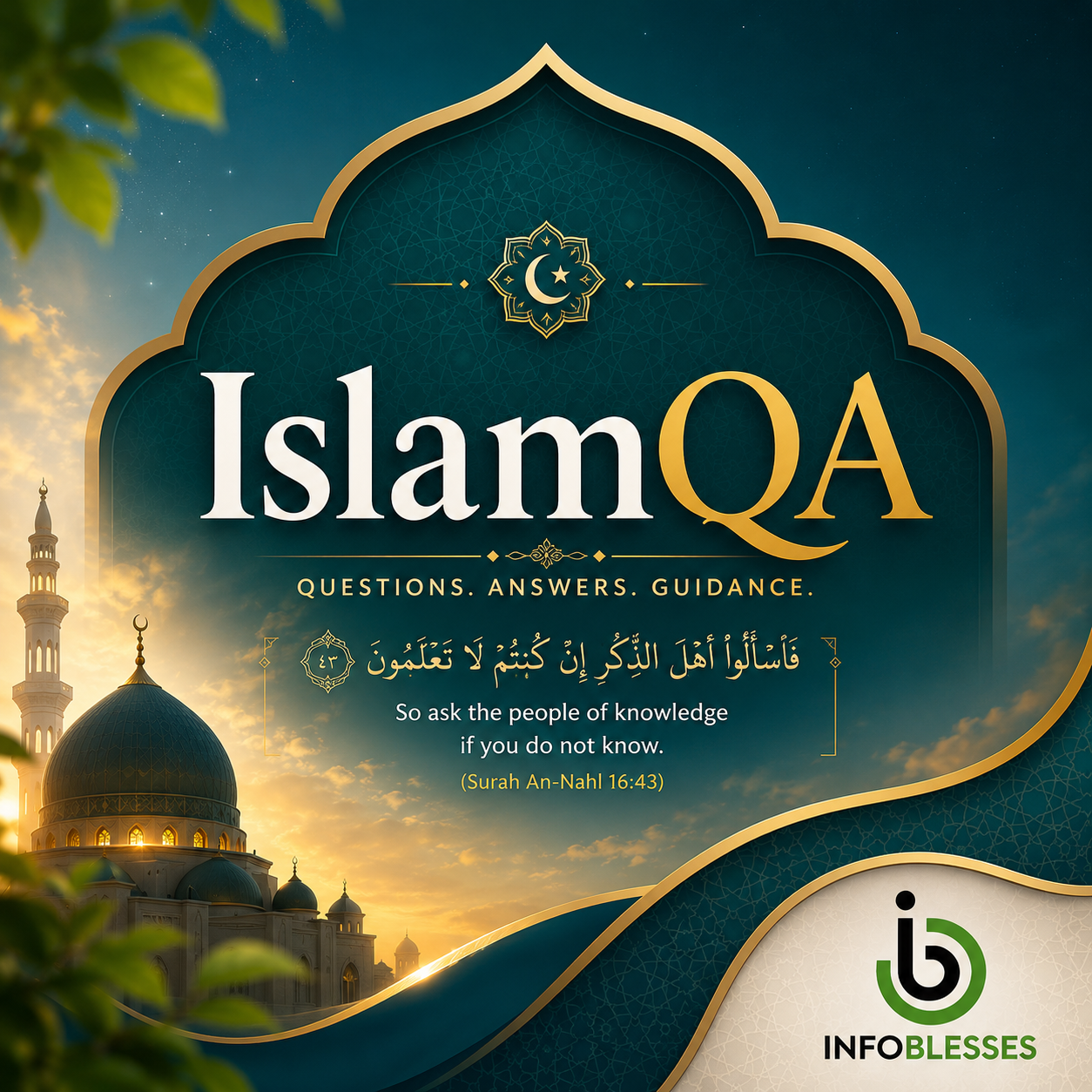
IslamQA, also known as Islam Question & Answer, is an online Islamic educational resource where Muslims can search for answers about different areas of Islam. Topics include the Quran, Sunnah, Hadith, aqeedah, fiqh, worship, family matters, Islamic manners, and everyday questions.
Seeking Islamic knowledge is an important responsibility. A Muslim shouldn’t simply accept every religious statement found on social media. Instead, Islamic knowledge should be connected to the Quran, authentic Sunnah, and reliable scholarship.
The goal of learning Islam isn’t merely to collect information. Beneficial knowledge should help a Muslim worship Allah correctly, improve character, avoid sins, and live according to Islamic teachings.
For difficult personal matters, however, an online answer shouldn’t automatically be treated as a personalized ruling. A qualified and trustworthy scholar can consider details that a general article cannot.
Why Reliable Islamic Knowledge Matters

Islam teaches Muslims to value beneficial knowledge and to avoid speaking about Allah without knowledge. This principle is especially important in the digital age.
Today, an Islamic quotation can spread across social media within minutes. Unfortunately, some quotations are incorrectly attributed to Prophet Muhammad ﷺ, while other statements may represent personal opinions rather than established Islamic teachings.
Before sharing an Islamic claim, consider these questions:
- What is the original source?
- Is it supported by the Quran?
- Is the Hadith authentic?
- What have recognized scholars explained?
- Is there a legitimate difference of opinion?
- Does the ruling depend on specific circumstances?
Taking a few moments to verify information can prevent misinformation from spreading.
A Muslim should also remember that saying “I don’t know” is better than giving an incorrect religious answer.
Quran and Sunnah as the Foundation

The Quran is the revealed Book of Allah and the foundation of Islamic guidance. The authentic Sunnah of Prophet Muhammad ﷺ provides practical guidance and explains how Muslims should implement many Quranic teachings.
For example, the Quran commands Muslims to establish prayer, while the Sunnah teaches the practical details of salah.
The same principle applies to fasting, zakat, Hajj, manners, and many other areas of Islamic life.
Muslims should therefore make the Quran and authentic Sunnah central to their learning.
Reading the Quran is an act of worship, but understanding its message is also essential. Learning a reliable translation and studying trustworthy tafsir can help Muslims understand the guidance contained in Allah’s Book.
Most importantly, knowledge should lead to action. Learning about patience should encourage patience. Learning about charity should encourage generosity. Learning about forgiveness should encourage a forgiving heart.
Islamic Guidance for Daily Life

Islam provides guidance for every part of life. Worship is central, but Islamic teachings also cover relationships, character, business, family, personal responsibility, and treatment of other people.
A good Muslim strives to be honest, patient, kind, modest, generous, and trustworthy.
Islam also teaches Muslims to respect parents, maintain family ties, care for neighbors, keep promises, control anger, avoid backbiting, and stay away from injustice.
These teachings demonstrate that Islam isn’t only about outward rituals. Worship should improve a person’s behavior.
A person who prays regularly should strive to become more truthful. A person who reads the Quran should try to apply its teachings. A person who remembers Allah should work toward greater humility and patience.
This combination of worship, knowledge, and character is an important part of a meaningful Islamic life.
Prayer, Fasting, Zakat and Hajj

The major acts of worship are essential to Muslim life, and learning how to perform them correctly is important.
Salah
Salah is one of the greatest obligations in Islam. Muslims should learn purification, prayer times, the required actions of salah, and what to do when mistakes occur.
Some details have recognized differences among Islamic scholars and schools of jurisprudence. Such differences should be approached respectfully rather than becoming a reason for unnecessary arguments.
Fasting
Ramadan fasting teaches obedience, patience, self-control, and taqwa.
Muslims may have questions about illness, travel, missed fasts, menstruation, voluntary fasting, and actions that affect the validity of a fast. Specific circumstances can affect the answer, so difficult cases should be referred to a qualified scholar.
Zakat
Zakat is an obligatory act of worship involving wealth. Muslims should learn whether their wealth reaches the required threshold and how their zakat should be calculated.
Business assets, savings, debts, gold, investments, and other financial circumstances can make calculations complicated.
Hajj
Hajj is one of the pillars of Islam for Muslims who are able to perform it. Pilgrims should learn the rituals and requirements before travelling so they can perform their worship correctly.
Family, Marriage and Islamic Manners
Family has a special position in Islam.
Marriage is a serious covenant involving rights, responsibilities, mercy, and mutual respect. Islam encourages spouses to treat one another with kindness and justice.
Parents have responsibilities toward their children, while children are commanded to respect and treat their parents well.
Islamic manners also extend to neighbors, relatives, friends, and wider society.
A Muslim should strive to speak kindly, avoid hurting others, forgive when appropriate, and protect the rights of people.
However, complicated family problems require special care. Divorce, inheritance, custody, marital disputes, and financial responsibilities can depend on details that aren’t available in a general online article.
For such matters, Muslims should seek advice from a qualified scholar who can understand the complete situation.
Halal and Haram in Islam

Muslims regularly have questions about what is halal and what is haram.
These questions can involve food, clothing, employment, business, entertainment, finance, technology, and social activities.
A fundamental principle is that Muslims shouldn’t declare something halal or haram merely because they personally like or dislike it. Islamic rulings require evidence and proper understanding.
Modern life also creates new questions. Online businesses, digital payments, modern contracts, and new technologies can require scholars to apply established Islamic principles to new situations.
Therefore, Muslims should avoid two extremes: accepting every new practice without investigation or declaring everything unfamiliar haram.
The better approach is to seek knowledge, examine evidence, and consult qualified scholars when necessary.
How to Search IslamQA Effectively
When searching IslamQA, start with clear keywords related to your question.
For example, if you’re looking for information about prayer, you might search:
- Prayer mistakes
- Sujood as-sahw
- Missed salah
- Prayer purification
- Forgetfulness in prayer
If your first search doesn’t provide what you need, try another phrase.
Once you find an answer, read the complete article. Don’t rely only on the headline or a short quotation.
Pay attention to the evidence, scholarly explanations, conditions, and exceptions.
For further Islamic research, visit the official IslamQA website.
Remember that an online resource can provide valuable general education, while complicated personal questions may require direct consultation with a qualified scholar.
The Importance of Evidence in Islam
Evidence is essential when discussing Islam.
Muslims shouldn’t accept a religious statement simply because it sounds beautiful or because thousands of people have shared it.
The Quran is the revealed source of Islamic guidance, while the authentic Sunnah provides the Prophetic example. Islamic scholars have developed detailed methods for understanding and applying religious evidence.
Hadith scholarship is an excellent example. Scholars examined chains of narration and narrators when assessing reports.
This is why Muslims should be careful when sharing Hadith online.
The same principle applies to Quranic interpretation. Muslims shouldn’t make personal interpretations without the necessary knowledge.
A sincere approach to Islamic learning involves humility, verification, and respect for qualified scholarship.
Common Mistakes in Islamic Learning

Several common mistakes can make Islamic learning confusing.
Believing every social-media quotation: Always check the source before attributing words to Prophet Muhammad ﷺ.
Reading only headlines: Important conditions may appear later in the full answer.
Confusing culture with Islam: A cultural practice isn’t automatically an Islamic obligation.
Ignoring scholarly differences: Some matters have legitimate differences among qualified scholars.
Giving rulings without knowledge: If you’re uncertain, don’t guess. Ask someone knowledgeable.
Searching only for confirmation: Don’t look for an answer merely because it supports something you already want to do.
The sincere goal should be to discover what is correct according to Islamic evidence and scholarship.
Building a Daily Islamic Learning Routine

Building Islamic knowledge doesn’t require an overwhelming schedule.
Start with small, consistent actions.
A simple routine could include:
- Read some Quran every day.
- Learn the meaning of what you read.
- Study authentic Hadith.
- Review the correct method of salah.
- Learn essential aqeedah.
- Study basic fiqh.
- Read about the life of Prophet Muhammad ﷺ.
- Practice one Islamic character trait at a time.
- Make dua for beneficial knowledge.
- Ask qualified scholars when you don’t know.
Consistency is important. A small amount of beneficial knowledge practiced regularly can have a lasting effect.
The purpose of learning isn’t to impress people. It is to seek the pleasure of Allah.
Frequently Asked Questions

What is IslamQA?
IslamQA is an online Islamic educational resource providing questions and answers about subjects such as Quran, Sunnah, Hadith, fiqh, aqeedah, worship, family, and Islamic manners.
Is IslamQA available in English?
Yes. IslamQA provides Islamic educational material in English as well as other languages.
What sources does IslamQA use?
IslamQA states that its methodology relies on the Quran, sound Prophetic Sunnah, scholarly writings, and recognized Islamic scholarship.
Can beginners use IslamQA?
Yes. Beginners can use online Islamic resources to research basic topics. Learning with qualified teachers and scholars can provide additional depth and guidance.
Should Muslims accept every Islamic answer found online?
No. Muslims should consider the source, evidence, context, and scholarly explanation before accepting or sharing religious information.
Can an online answer replace a scholar?
Not necessarily. Complicated personal matters may require a qualified scholar who can ask questions and understand the complete circumstances.
Why is the Sunnah important?
The Sunnah provides the example and guidance of Prophet Muhammad ﷺ and explains many practical aspects of Islamic worship and daily life.
Does Islam have scholarly differences?
Yes. Some issues have legitimate differences among qualified scholars. Muslims should approach these differences with knowledge, respect, and good manners.
Conclusion:
IslamQA: Trusted Islamic Answers & Guidance can be a useful starting point for Muslims seeking information about the Quran, Sunnah, Hadith, prayer, fasting, zakat, Hajj, family, Islamic manners, and halal and haram.
However, Islamic learning should always be approached with sincerity and humility.
Don’t search only for the answer you want. Search for the truth. Study the Quran. Learn authentic Sunnah. Respect qualified scholarship. Understand legitimate differences. Most importantly, put beneficial knowledge into practice.
Islamic knowledge is an amanah. Muslims should be careful when speaking about the religion of Allah and should avoid spreading unverified information.
May Allah increase us in beneficial knowledge, strengthen our iman, forgive our sins, guide us to the straight path, and help us follow the Quran and authentic Sunnah.
Ameen.