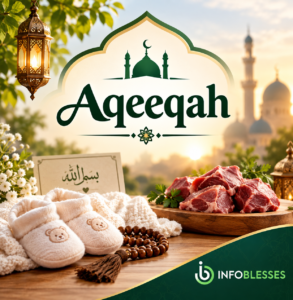
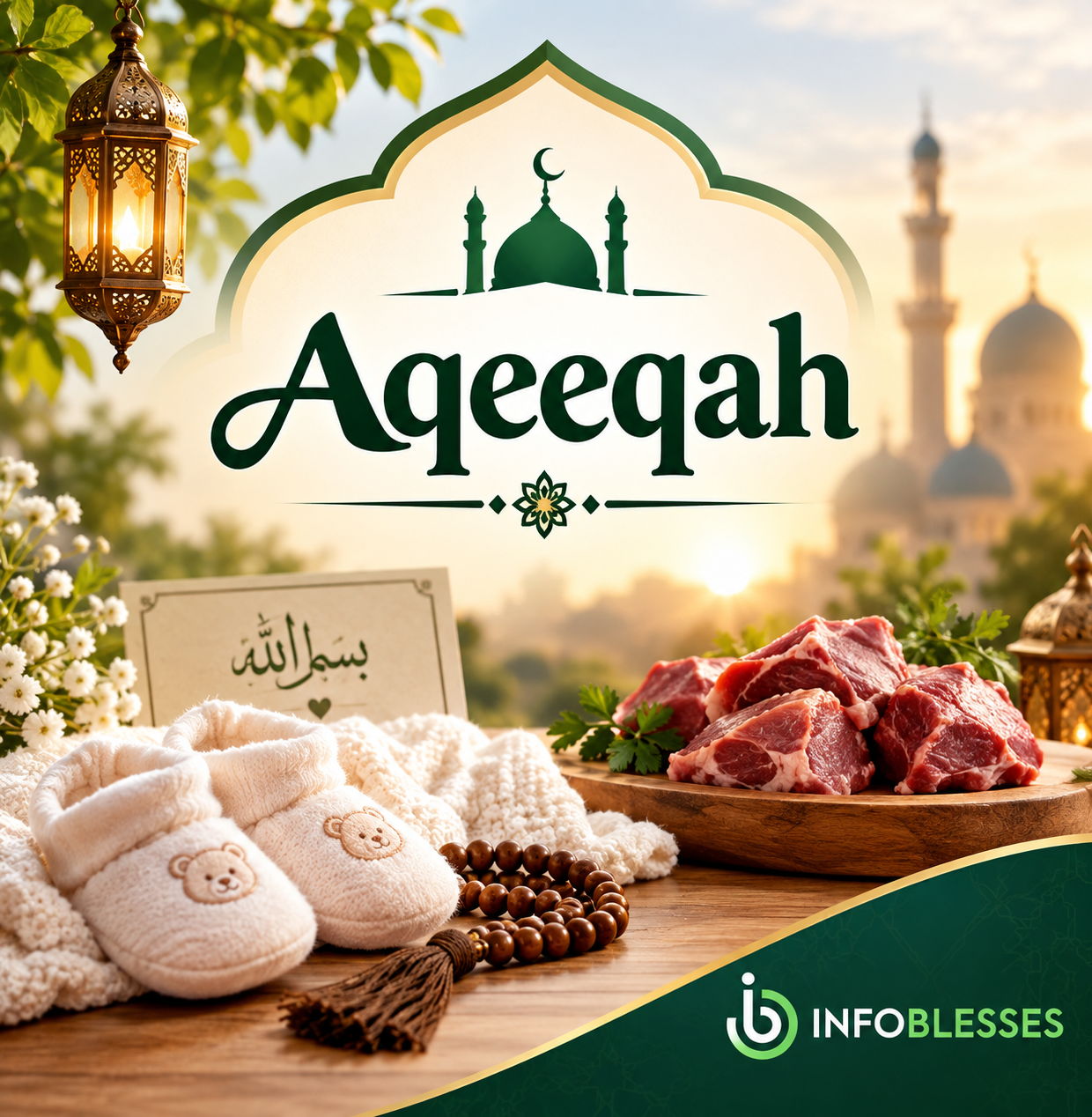
What Is Aqeeqah?

Aqeeqah, also written as Aqiqah or Akikah, is the Islamic practice of offering a sacrifice in connection with the birth of a child. It is associated with gratitude to Allah and follows guidance found in the Sunnah of Prophet Muhammad ﷺ.
For new parents, Aqeeqah can seem complicated at first. There may be questions about the correct day, number of animals, naming the baby, shaving the hair, and distributing the meat. Thankfully, the basic idea is quite simple.
Aqeeqah is not meant to become a burden or an expensive social event. At its heart, it is an act connected with worship, gratitude, and sharing.
A well-known narration from Samurah ibn Jundub reports that the Prophet ﷺ mentioned slaughtering for the child on the seventh day, along with naming the child and shaving the head.
This gives parents a useful picture of the traditional practice. The birth of a child is celebrated through obedience and thankfulness rather than through unnecessary extravagance.
The Meaning Behind Aqeeqah
The arrival of a baby brings many emotions. Parents experience happiness, responsibility, hope, and sometimes worry about the future.
Aqeeqah provides an opportunity to turn that happiness into an act of worship. Parents can thank Allah for the gift of their child and share food with family members, friends, neighbors, and people who may benefit from it.
Aqeeqah Is More Than a Celebration
A modern celebration can easily become focused on decorations, photography, expensive clothes, or large gatherings. These things may be culturally enjoyable, but they aren’t the heart of Aqeeqah.
The central elements are connected to the religious practice itself.
Parents can therefore keep the occasion simple. A modest meal, a family gathering, or distribution of prepared meat can all help make the occasion meaningful without creating financial pressure.
Why Is Aqeeqah Important for Muslim Families?

Aqeeqah has an important place in Islamic tradition because it combines several meaningful ideas: gratitude, worship, family, generosity, and community.
The Prophet ﷺ gave specific guidance concerning Aqeeqah, including the number of animals traditionally offered for a boy and a girl. A narration recorded in Jami` at-Tirmidhi states that two sheep are offered for a boy and one for a girl.
Gratitude for the Gift of a Child
Children are considered a great blessing and responsibility. Aqeeqah gives parents a formal opportunity to express gratitude to Allah for the birth of their child.
That gratitude doesn’t end with the sacrifice. Parents can continue thanking Allah by raising their child with kindness, faith, good manners, and responsibility.
Sharing With Others
Another beautiful aspect of Aqeeqah is sharing food.
Instead of keeping everything within the immediate household, parents can involve relatives, neighbors, friends, and people who are struggling financially. This turns a family occasion into an opportunity for generosity.
Following the Sunnah
For Muslims who choose to perform Aqeeqah, following the Sunnah is an important part of the practice.
However, new parents shouldn’t feel that they need to create a complicated ceremony. The Sunnah should inspire gratitude and simplicity, not unnecessary competition between families.
Building Family Connections
An Aqeeqah meal can also bring relatives together. Grandparents, uncles, aunts, cousins, and close friends may gather to welcome the newborn.
For families living far apart, the meat can also be distributed locally while relatives are informed about the child’s birth through a simple message or call.
When Should Aqeeqah Be Performed?

The seventh day after birth is specifically mentioned in hadith concerning Aqeeqah.
A narration in Jami` at-Tirmidhi states that the sacrifice is made for the child on the seventh day, with naming and shaving the head also mentioned.
For this reason, many Muslim families aim to perform Aqeeqah on the seventh day.
What If the Seventh Day Is Not Possible?
New parents sometimes face practical problems. The family may have financial difficulties, the mother may still be recovering from childbirth, relatives may live far away, or arranging the sacrifice may take time.
In such circumstances, parents should consult a trusted local scholar regarding the opinions followed in their school of Islamic law about delaying Aqeeqah.
The key point is not to turn the seventh day into a source of unnecessary anxiety.
A Simple Planning Timeline
Parents can prepare before the baby arrives:
- Choose a reliable halal butcher or qualified person.
- Check local requirements for animal slaughter.
- Decide how the meat will be distributed.
- Select the baby’s name.
- Arrange hair shaving if following this Sunnah.
- Decide whether a family meal is needed.
- Keep the budget realistic.
- Make arrangements early if relatives are traveling.
Good planning makes the occasion much calmer.
How Many Animals Are Needed for Aqeeqah?

One of the most common questions is about the number of animals.
Hadith reports distinguish between a boy and a girl. A narration from Umm Kurz states that two sheep are offered for a boy and one sheep for a girl.
Another narration in Sunan an-Nasa’i gives the same basic guidance and describes two sheep for a boy and one for a girl.
Aqeeqah for a Boy
The traditional number mentioned in these narrations is two sheep for a boy.
Parents should remember that Islamic practice also includes differences in scholarly interpretation about various details of Aqeeqah. If a family follows a particular madhhab, it can be helpful to ask a qualified scholar for guidance.
Aqeeqah for a Girl
The hadith mentions one sheep for a girl.
The purpose is not to compare the value of children. Rather, this is the specific distinction found in the narrations about the sacrificial number.
What If Parents Cannot Afford the Full Amount?
Financial circumstances differ from family to family.
Parents shouldn’t feel pressured to spend beyond their means simply because another family held a large event. Aqeeqah should be approached as worship, not as a competition.
If finances are limited, speak with a trusted scholar about the appropriate course according to the school of thought you follow.
How Should Parents Choose the Aqeeqah Animal?

The animal should be suitable for lawful sacrifice according to Islamic requirements. Parents should therefore use a trustworthy butcher, farm, or qualified person who understands halal slaughter.
Important Practical Considerations
Before arranging the sacrifice, parents should check:
- The animal is healthy and suitable for sacrifice.
- The slaughter is performed according to halal requirements.
- Local laws and regulations are followed.
- The person performing the slaughter is qualified.
- The meat is handled hygienically.
- The arrangement is made with a trustworthy provider.
Parents shouldn’t choose an animal simply because it looks impressive or costs more.
Avoiding Unnecessary Expense
Aqeeqah doesn’t require luxury.
A simple, properly arranged sacrifice is more practical than spending a large amount on decorations, entertainment, or an elaborate venue.
The best approach is to focus on the religious purpose first and cultural extras second.
Naming the Newborn During Aqeeqah

Naming a child is another important part associated with the seventh-day Aqeeqah tradition.
The hadith of Samurah mentions sacrificing on the seventh day, shaving the child’s head, and giving the child a name.
Choosing a Meaningful Name
Parents often choose names connected with good meanings, Islamic history, respected figures, or qualities they hope their child will develop.
When selecting a name, consider:
- Its meaning.
- Its pronunciation.
- Its cultural suitability.
- Whether it has an appropriate Islamic meaning.
- How easily it can be used throughout the child’s life.
A beautiful name is more than a label. It becomes part of a child’s identity.
Don’t Rush Under Social Pressure
Grandparents and relatives may have suggestions, and family traditions can be valuable. Still, parents should carefully choose a name that they believe is appropriate.
The Aqeeqah gathering doesn’t need to become a debate over names.
What Does the Sunnah Say About Shaving the Baby’s Hair?

The Sunnah reports connect Aqeeqah with shaving the newborn’s head.
The narration of Samurah specifically mentions shaving the head alongside the sacrifice and naming of the child.
Some Muslim families follow this practice on or around the seventh day.
Keep the Baby’s Safety First
Because newborns are delicate, parents should take great care if hair shaving is performed.
A trained and careful person should handle it. Parents shouldn’t take unnecessary risks just to follow a ceremony.
If there are concerns about the baby’s health, skin, or scalp, parents can seek medical advice before proceeding.
Hair and Charity
There are also Islamic narrations concerning weighing the baby’s shaved hair and giving its equivalent value in silver as charity. Because details and interpretations can vary, parents who want to follow this practice should ask a knowledgeable scholar for the correct method.
How to Prepare for an Aqeeqah
Preparation doesn’t have to be difficult.
A simple checklist can make everything easier for new parents.
One Week Before
- Confirm the date.
- Arrange the animal.
- Confirm halal slaughter arrangements.
- Decide how the meat will be distributed.
- Finalize the baby’s name.
- Inform close relatives.
- Plan any simple meal.
On the Day
Parents can focus on the essential elements rather than trying to manage every detail personally.
If relatives are helping, give each person a clear task. One person can manage the food, another can organize distribution, and someone else can communicate with guests.
After the Sacrifice
The meat can be prepared and distributed according to the family’s plan and the guidance of their trusted scholar.
There is no need to make the day stressful. The arrival of a newborn is already a major life event.
How Should Aqeeqah Meat Be Distributed?

Sharing food is one of the most meaningful practical aspects of an Aqeeqah.
Families may share with relatives, neighbors, friends, and people in need. The exact method of distribution can vary according to scholarly opinion and local practice.
Family and Relatives
Inviting close family members can create a warm and memorable occasion.
Grandparents, siblings, and other relatives may appreciate being included, particularly when they live far away.
Neighbors
Sharing Aqeeqah food with neighbors can strengthen relationships and reflect the Islamic emphasis on good treatment of others.
It can also be especially meaningful in communities where families regularly support one another.
People in Need
Families may also prioritize people who are experiencing financial hardship.
This can turn a personal celebration into a wider act of kindness.
A Simple Distribution Plan
| Group | Possible Approach |
|---|---|
| Immediate family | Prepare a portion for the household |
| Relatives | Share cooked food or meat |
| Neighbors | Offer prepared portions |
| People in need | Prioritize families who need food |
| Friends | Invite them to a modest meal |
The exact distribution method should follow the guidance of a trusted scholar if the family wants to follow a particular fiqh position.
Aqeeqah, Charity, and Community

Aqeeqah can be an excellent reminder that blessings become even more meaningful when they’re shared.
A newborn’s arrival brings happiness to parents, but that happiness can extend beyond the home.
A meal can reach an elderly neighbor. A portion of meat can help a family experiencing financial difficulty. Relatives can reconnect. Friends can make dua for the child.
These simple acts create a stronger sense of community.
Making Dua for the Child
Parents and relatives can make sincere dua for the newborn.
They may ask Allah to grant the child:
- Good health.
- Beneficial knowledge.
- Strong faith.
- Good character.
- Righteous companionship.
- Protection from harm.
- A life of obedience and goodness.
The most valuable gift isn’t an expensive ceremony. It’s sincere prayer and responsible parenting.
Common Aqeeqah Mistakes New Parents Should Avoid

New parents naturally want everything to be perfect. But Aqeeqah doesn’t need to be complicated.
Mistake 1: Turning Aqeeqah Into a Competition
Comparing the size of one family’s gathering with another can create unnecessary pressure.
Islamic worship shouldn’t be treated like a social contest.
Mistake 2: Spending Beyond the Family Budget
A large venue, expensive decorations, and elaborate catering can quickly increase costs.
Parents should create a budget they can comfortably manage.
Mistake 3: Ignoring Islamic Guidance
Cultural traditions can be enjoyable, but they shouldn’t replace the actual religious guidance surrounding Aqeeqah.
Mistake 4: Forgetting People in Need
If the family has enough food to share, considering neighbors and people experiencing hardship can make the occasion more meaningful.
Mistake 5: Making New Parents Do Everything
The mother may still be recovering from childbirth. The father may be managing work and family responsibilities.
Relatives can help with food, guests, transportation, and distribution.
What If You Can’t Afford Aqeeqah?

Financial hardship is real, and new parents shouldn’t feel ashamed if they cannot afford an elaborate Aqeeqah.
The first priority is caring for the mother and baby and meeting the family’s essential needs.
Aqeeqah should not become a source of debt simply because parents feel pressure from relatives or social media.
Keep the Celebration Simple
If an Aqeeqah is arranged, it can be modest.
There is no requirement to impress guests with luxury. A small family meal may be enough as a cultural celebration around the religious practice.
Ask a Qualified Scholar
Because Islamic rulings can differ regarding obligation, timing, financial circumstances, and alternatives, parents with specific questions should speak with a qualified local scholar.
For hadith references concerning Aqeeqah, parents can also consult Sunnah.com’s Aqeeqah narrations.
Aqeeqah in Modern Family Life

Modern families often live far from grandparents and relatives. Some parents work full-time, while others have limited support after childbirth.
Aqeeqah can still be kept meaningful.
A family might arrange the sacrifice locally and distribute the food within the community. Relatives in another city can join through a video call. Grandparents can make dua for the baby even if they cannot attend.
Combining Tradition With Simplicity
Islamic practice doesn’t require every family to copy another family’s cultural ceremony.
Aqeeqah can remain centered on its religious purpose while the surrounding meal and gathering reflect the family’s circumstances.
Protecting the Mother’s Recovery
This point deserves special attention.
After childbirth, mothers need rest, nutrition, and support. A large gathering may be exhausting.
Family members should therefore help rather than create additional work.
A simple event with a rested mother and cared-for baby is much more sensible than a huge celebration that leaves everyone exhausted.
A Practical Aqeeqah Checklist for New Parents

Use this checklist to keep your planning organized:
Before the Aqeeqah
- Choose the baby’s name.
- Identify a trustworthy halal slaughter provider.
- Confirm the intended date.
- Set a realistic budget.
- Decide who will receive the meat.
- Arrange help from relatives.
- Plan a simple meal if desired.
- Ask a scholar about any specific fiqh questions.
During the Aqeeqah
- Ensure the sacrifice is performed correctly.
- Keep the environment calm.
- Care for the newborn’s needs.
- Avoid unnecessary extravagance.
- Make dua for the child.
After the Aqeeqah
- Distribute the food.
- Thank those who helped.
- Check on the mother and baby.
- Keep records of important family memories if desired.
- Continue making dua for the child’s upbringing.
Frequently Asked Questions About Aqeeqah

1. What is Aqeeqah in Islam?
Aqeeqah is a sacrifice associated with the birth of a child and is part of the Sunnah. It is connected with gratitude, naming the child, shaving the head, and sharing food. Hadith reports specifically mention performing it on the seventh day.
2. How many sheep are needed for Aqeeqah?
Hadith reports mention two sheep for a boy and one sheep for a girl. This is recorded in collections including Jami` at-Tirmidhi and Sunan an-Nasa’i.
3. Does Aqeeqah have to be done on the seventh day?
The seventh day is specifically mentioned in hadith. If circumstances prevent a family from doing it then, parents should ask a qualified scholar about the appropriate approach according to their school of Islamic law.
4. Is naming the baby part of Aqeeqah?
A hadith of Samurah mentions naming the child along with the Aqeeqah and shaving the head on the seventh day.
5. Should a baby’s hair be shaved for Aqeeqah?
Shaving the head is mentioned in the relevant hadith. Parents who choose to follow this practice should make sure the baby’s safety comes first and should seek appropriate advice if there are health concerns.
6. Who should receive Aqeeqah meat?
Families commonly share Aqeeqah food with relatives, neighbors, friends, and people in need. Specific distribution rules can differ according to scholarly interpretation, so families following a particular fiqh school should seek local guidance.
7. Can Aqeeqah be simple?
Yes. Parents don’t need to turn Aqeeqah into an expensive event. The focus should remain on the Islamic practice, gratitude, and sharing rather than luxury.
8. What if parents cannot afford Aqeeqah?
Parents facing financial difficulties should avoid unnecessary debt or social pressure. They can consult a trusted scholar regarding their particular circumstances and the ruling they follow.
9. Can relatives help pay for Aqeeqah?
Families may receive help from relatives, but the exact religious ruling concerning who performs or funds the sacrifice can depend on the circumstances and school of thought. A qualified scholar can clarify specific situations.
10. Is Aqeeqah the same as an ordinary birthday celebration?
No. Aqeeqah is an Islamic practice connected with the birth of a child and has specific guidance in hadith. A family may have cultural customs around it, but those customs aren’t the same thing as the religious practice itself.
Final Thoughts: Keep Aqeeqah Meaningful and Simple
Aqeeqah is a beautiful way for Muslim parents to mark the arrival of a child with gratitude and generosity. The Sunnah provides guidance about the seventh day, the sacrifice, naming, and shaving the baby’s head.
For new parents, the most important thing is not creating the biggest gathering or spending the most money. It’s approaching the occasion with sincerity.
Plan carefully, follow reliable Islamic guidance, protect the mother’s recovery, care for the newborn, and share the blessing with others.
Aqeeqah can be simple, peaceful, and deeply meaningful—and that’s often what makes the occasion memorable for years to come.

Welcome to Info Blesses I am Rana Ahtasham an AI Powered SEO and Content Writer With 3 year experience.I help websites rank highter, grow traffic, and look amazing. My goal is to make SEO and web design simple and effective for everyone.Lets achieve more togather!